
Austin
About City
Austin is the capital city of Texas and the fourth-most populous city in the state. Renowned for its vibrant live-music scene, burgeoning tech industry, and a diverse cultural landscape, Austin is known by several monikers, including the “Live Music Capital of the World” and “Silicon Hills.” The city’s unofficial slogan, “Keep Austin Weird,” reflects its eclectic and progressive character.
Geography
Austin is situated in Central Texas, within Travis County, and extends into Hays and Williamson counties. It lies along the Colorado River, with three artificial lakes within the city limits: Lady Bird Lake, Lake Austin, and Lake Walter E. Long. The city’s terrain is characterized by flatland along the river, rolling hills to the west, and fertile farmland in the surrounding region.
History
Founded in 1839, Austin has a rich history that began when it was named after Stephen F. Austin, the “Father of Texas.” The city grew rapidly during the 19th and 20th centuries, becoming the political and economic hub of Texas. Austin’s history is also marked by its role in civil rights and its counterculture movements in the 1960s and 1970s.
Demographics
Austin’s population is diverse, with a significant Hispanic and Latino presence, a growing Asian community, and a relatively young population compared to the national average. The city’s demographic makeup has been evolving due to its popularity and economic opportunities, attracting people from all over the United States and the world.
Economy
Austin’s economy is strong and diverse, with major sectors including technology, pharmaceuticals, biotechnology, green energy, and manufacturing. It is home to the headquarters of several Fortune 500 companies and a plethora of startups, especially in the tech field, which contribute to its reputation as “Silicon Hills.” The city also benefits from the presence of the University of Texas at Austin, which drives innovation and research.
Education
The University of Texas at Austin is the flagship institution of the UT System and a major research university. Austin also hosts numerous other higher-education institutions, including St. Edward’s University and Austin Community College. The city places a high value on education, with a well-regarded public school system and various private and charter schools.
Culture
Austin’s cultural scene is a tapestry of music, art, film, and food. It hosts world-famous events such as South by Southwest (SXSW) and the Austin City Limits Music Festival. The city’s culinary scene ranges from Tex-Mex and barbecue to innovative farm-to-table restaurants. Furthermore, Austin’s numerous galleries, theaters, and live-music venues offer year-round cultural experiences.
Music
Austin’s reputation as the “Live Music Capital of the World” is earned through its countless live-music venues, which host everything from indie bands to major international acts. The city’s musical heritage encompasses a wide range of genres, including country, blues, rock, and Latino music.
Outdoor Activities
The city’s mild climate and natural settings provide ample opportunities for outdoor activities. Residents and visitors enjoy hiking, biking, and water sports on the lakes and rivers. Zilker Metropolitan Park is a recreational area that offers a myriad of outdoor activities and is the location for various cultural events.
Transportation
Austin’s transportation system includes highways, a metro rail system, buses operated by Capital Metro, and bike-sharing programs. Despite these options, the city is known for heavy traffic congestion, prompting investments in transportation infrastructure and a push for more sustainable transit solutions.
Challenges
Like many growing cities, Austin faces challenges such as affordability, gentrification, and infrastructure strain. The city’s popularity has led to a significant increase in housing prices, making it difficult for some residents to afford living in central areas. Additionally, traffic congestion and transportation issues are ongoing concerns for city planners.
Political Climate
Austin is known for being a liberal enclave within the predominantly conservative state of Texas. Its residents tend to favor progressive policies, which is reflected in its local government and community initiatives. This political leaning stands in contrast to the broader Texas political landscape, contributing to the city’s unique cultural and social environment.
Technology and Innovation
The tech industry in Austin is booming, with a strong startup culture and a steady influx of talent drawn to the city’s quality of life and economic opportunities. Tech giants such as Dell, IBM, Apple, and Google have a significant presence in the area. Additionally, Austin has become a popular destination for relocating tech workers and companies from more expensive markets like Silicon Valley.
Environmental Consciousness
Austin is recognized for its commitment to environmental sustainability. The city has ambitious goals for reducing carbon emissions, expanding public transportation, and encouraging green building practices. Austin’s community is actively engaged in maintaining and protecting its green spaces, waterways, and wildlife habitats.
Festivals and Events
Beyond SXSW and the Austin City Limits Music Festival, Austin hosts a variety of other events throughout the year, such as:
- The Texas Book Festival
- The Austin Film Festival
- Pecan Street Festival – a free, bi-annual arts and crafts festival
- Rodeo Austin – featuring a livestock show, carnival rides, and country music
- Austin Pride – which celebrates the LGBTQ+ community
These events contribute to Austin’s reputation as a city that celebrates creativity, culture, and community.
Food Scene
Austin’s food scene is as diverse as its population, with a blend of traditional Texas fare and international cuisines. The city is famous for its barbecue and Tex-Mex, but it also has a burgeoning food truck scene offering everything from gourmet donuts to Vietnamese pho. Additionally, Austin’s focus on locally sourced ingredients has led to the growth of farm-to-table restaurants and organic food markets.
Art and Museums
The city’s art scene is vibrant, with numerous galleries and public art installations. Some notable museums and cultural institutions include:
- The Blanton Museum of Art
- The Contemporary Austin
- The Mexic-Arte Museum
- The Bullock Texas State History Museum
These venues offer a rich array of artworks and cultural artifacts that reflect the region’s history and the city’s contemporary artistic endeavors.
Sports
While Austin doesn’t host any major professional sports teams, it’s home to a passionate sports culture centered around college athletics, particularly the Texas Longhorns. Additionally, the Circuit of the Americas racetrack hosts the Formula 1 United States Grand Prix and other motorsport events. In 2021, Austin also welcomed its first major league sports team, Austin FC, to the MLS.
Growth and Development
Austin’s rapid growth has led to significant development projects across the city, transforming the skyline and expanding the urban footprint. This development has spurred discussions on urban planning, zoning, and the preservation of the city’s character amidst change.
Community and Lifestyle
Austin’s residents are known for their friendly and laid-back attitude, which contributes to the city’s welcoming atmosphere. The population is generally active and health-conscious, with a strong focus on community involvement and social events.
Conclusion
Austin’s allure lies in its unique blend of Texas tradition and progressive culture, its economic vibrancy, and its reputation as a center for music, education, and innovation. While the city continues to evolve, facing the challenges of rapid growth, it maintains its distinctive character through the collective efforts of its residents to “Keep Austin Weird” and preserve the qualities that make it an exceptional place to live and visit.




Demographics
Austin, Texas, serves as a unique demographic mosaic reflecting a blend of cultural, economic, and social elements that define its community. The city, heralded for its rapid growth, eclectic vibe, and economic prosperity, boasts a diverse population that contributes to its dynamic character.
Population Size
The population of Austin, Texas, was estimated to be nearing the 1 million mark. However, with the city’s continuous and rapid growth, driven by its attraction as a major tech hub, a vibrant cultural scene, and a high quality of life, the population size is likely to have exceeded that number by 2024. The Greater Austin metropolitan area has a significantly larger population, surpassing 2 million residents, making it one of the most populous metro areas in Texas and among the fastest-growing in the United States.
Age Distribution
Austin’s age distribution reflects its appeal to a younger demographic, particularly evident in the prominence of working-age adults and a notable representation of children and youth.
Children and Adolescents (0-17 years)
Austin’s public and private schools, parks, family-friendly festivals, and activities cater to a substantial population of children and adolescents. This segment of the population benefits from various educational and recreational resources, contributing to a family-oriented aspect of the city’s demographic profile.
Young Adults (18-34 years)
The city is especially popular among young adults, which include college students, young professionals, and entrepreneurs. The presence of the University of Texas at Austin and other higher education institutions adds to the city’s youthful demographic. This age cohort is drawn to Austin’s job opportunities, especially in technology and creative industries, its nightlife, music scene, and overall vibrant social life.
Middle-Aged Adults (35-64 years)
Middle-aged adults form the backbone of Austin’s workforce and are a driving force in its economy and culture. This group is diverse in terms of their roles, ranging from tech industry leaders and business owners to public servants and artists. Their active participation in the workforce, local politics, and community services shapes the city’s development and policies.
Seniors (65 years and over)
While a smaller proportion of Austin’s demographic, the senior population is growing as some residents choose to stay post-retirement, and others move to the city to be closer to family or to enjoy the mild climate and amenities. Austin offers a range of services and community engagement opportunities tailored to the needs and interests of its senior residents.
The city’s median age tends to be lower than the national average, reflecting the influx of young workers and families attracted by the economic opportunities and lifestyle Austin offers. The age distribution in Austin contributes to a dynamic and forward-looking city with a focus on innovation, education, and cultural diversity. The demographic trends of Austin also present opportunities and challenges in areas such as housing, education, and transportation, which the city continues to address through various initiatives and policies.
Languages Spoken
Austin’s linguistic landscape mirrors its cultural diversity, with residents speaking a variety of languages. While English is the predominant language, spoken for business, education, and daily communication, the city’s demographics ensure a rich tapestry of linguistic variety.
English
As in the rest of the United States, English is the primary language used in Austin. It is the language of instruction in schools, the medium for governmental and civic communication, and the default language in most professional and commercial settings.
Spanish
Given Austin’s significant Hispanic and Latino population, Spanish is the second most commonly spoken language in the city. Bilingual signs and Spanish language media are common, reflecting the city’s cultural inclusivity. Spanish is also taught in schools, both as a second language for non-native speakers and as a language arts subject for native speakers.
Other Languages
Austin’s growing international community, bolstered by its tech industry and educational institutions, contributes to the diversity of languages spoken. These include widely spoken global languages such as Mandarin, Hindi, Arabic, and Vietnamese, as well as other languages brought by immigrants and expatriates from around the world.
The presence of multiple languages in Austin adds to the city’s cosmopolitan feel and influences its cultural events, food, and education. Public services and healthcare providers often offer resources in English and Spanish, and occasionally in other languages, to accommodate the needs of a diverse population.
Unemployment Rate
Austin’s unemployment rate was notably lower than the national average, reflecting the city’s robust economy and the strength of sectors such as technology, education, government, and healthcare. The city’s job market benefited from the presence of large tech companies and a thriving startup scene, which provided a wealth of employment opportunities.
However, unemployment rates are subject to change due to economic fluctuations, policy changes, and external factors such as global market conditions. Given the dynamism of Austin’s economy and its attractiveness to businesses and workers alike, the city has traditionally been resilient to economic downturns.
It’s important to note that while the overall unemployment rate in Austin has been relatively low, it can vary significantly by race, ethnicity, education level, and other demographics. Efforts to address disparities in employment have been part of the city’s ongoing economic development initiatives.
Average Income
The average income in Austin reflects the city’s economic vitality and the wealth generated by its key industries. As a burgeoning tech hub, often referred to as “Silicon Hills,” Austin has attracted a skilled workforce, leading to higher average salaries, particularly in technology, engineering, and management roles. However, income levels vary widely across different sectors and demographics.
Median Household Income
The median household income in Austin typically surpasses the national average, thanks in part to the concentration of high-paying tech jobs and a growing professional class. As of the early 2020s, the median household income was likely in the range of $70,000 to $80,000, but these figures can fluctuate based on economic conditions and labor market dynamics.
Per Capita Income
Per capita income is another measure that provides insight into the average earnings of individuals within the city. This figure takes into account all adults and children, dividing the total income by the total population. Austin’s per capita income has historically been higher than the Texas state average, reflecting the city’s relative affluence and strong economy.
Income Distribution
While average income statistics provide an overview, they can mask the underlying income distribution and inequality. In Austin, as in many growing cities, there is a significant disparity between the highest and lowest earners. The tech industry and its associated high wages contribute to this disparity, as do the service and hospitality sectors, which often offer lower wages.
Other Considerations
It’s important to consider the cost of living when discussing average income. Austin’s cost of living has been rising, with housing costs increasing significantly due to the city’s popularity and growth. This means that even with a higher average income, residents may not feel as affluent due to the proportion of their income that goes towards living expenses.
Education
Austin, Texas, is recognized for its strong emphasis on education, boasting a range of quality institutions from primary to higher education. The city’s education system is a cornerstone of its community, contributing significantly to its culture of innovation and economic growth.
Educational Institutions in Austin
Austin is home to a vibrant educational ecosystem, encompassing a variety of institutions that cater to a broad spectrum of learning needs and academic pursuits. Below is an overview of the educational landscape in Austin, focusing on primary, secondary, and higher education institutions.
Primary and Secondary Education
Public Schools
The Austin Independent School District (AISD) operates numerous public schools throughout the city, ranging from elementary to high school levels. These schools provide education to a diverse student population and are integral to the local communities they serve.
Charter Schools
In addition to traditional public schools, Austin hosts a number of charter schools. These schools often offer specialized curricula and are known for innovative educational approaches, drawing families seeking alternative education models.
Private Schools
A wide array of private educational institutions also serves the Austin area. These range from religious-affiliated schools to independent academies that offer various educational philosophies and programs, such as Montessori, International Baccalaureate, and classical education.
Higher Education
The University of Texas at Austin (UT Austin)
UT Austin is a major research university and the flagship institution of the University of Texas System. It offers a comprehensive range of undergraduate, graduate, and professional programs and is renowned for its business, engineering, computer science, and law schools. With a massive student body and significant research output, UT Austin significantly contributes to the city’s intellectual capital and workforce.
St. Edward’s University
This private Roman Catholic university provides a liberal arts education and offers a variety of undergraduate and graduate programs. St. Edward’s is known for its commitment to critical thinking, social justice, and ethical practice.
Austin Community College (ACC)
ACC is a public community college system serving the Austin metropolitan area. It provides affordable education and offers associate degrees, certificates, and continuing education programs. ACC also facilitates university transfers and has partnerships with four-year institutions.
Concordia University Texas
Concordia is a private university affiliated with the Lutheran Church. It offers undergraduate and graduate programs with a focus on liberal arts, business, and education.
Huston-Tillotson University
Huston-Tillotson is a historically black university offering undergraduate degrees in arts and sciences, business, education, and technology, along with alternative teacher certification and academic programs for nontraditional students.
Specialized Institutions and Vocational Schools
Austin is also home to a variety of specialized institutions that offer vocational training and certifications in fields such as technology, culinary arts, music, and healthcare. These institutions cater to the city’s industry needs, providing career-focused education that supports the local economy.
Continuing Education and Professional Development
Many institutions in Austin, including UT Austin and ACC, offer continuing education and professional development courses. These programs serve working professionals seeking to advance their skills, pivot careers, or engage in lifelong learning.
Role of Education in Austin’s Economy
The educational institutions in Austin are vital contributors to the city’s economy. They not only prepare the future workforce but also attract research funding, foster innovation through incubators and accelerators, and enhance the city’s cultural richness. The presence of these institutions also draws companies to the area, particularly in the tech sector, which values the continuous influx of educated talent.
Austin’s commitment to education is evident in the breadth and quality of its institutions, which collectively support a thriving, knowledgeable community adept at meeting the challenges of a rapidly evolving global landscape.
Number of Schools, Colleges, and Universities
Primary and Secondary Schools
Austin Independent School District (AISD)
- Approximately 130 schools, including:
- More than 80 elementary schools
- About 20 middle schools
- Over 15 high schools
- Several alternative and special education centers
Charter Schools
- Dozens of charter schools operate within the Austin area, representing a significant and growing sector of the educational landscape.
Private Schools
- Austin is home to numerous private schools; the exact number varies as new schools open and others close, but there are generally several dozen private institutions across the city.
Higher Education
Major Colleges and Universities
- The University of Texas at Austin (UT Austin)
- Austin Community College (ACC) with multiple campuses
- St. Edward’s University
- Concordia University Texas
- Huston-Tillotson University
Specialized and Vocational Institutions
- A number of trade schools, vocational colleges, and specialized institutions focus on various industries, including technology, healthcare, culinary arts, and creative media.
The exact number of schools and higher education institutions can fluctuate from year to year due to closures, openings, and reorganizations. For the most current figures, one would need to consult the latest reports or databases from educational authorities and accrediting bodies.
Educational Attainment Levels
Educational attainment in Austin tends to be higher than the national average, reflecting the city’s strong educational infrastructure and the presence of major universities and colleges. The following are general trends regarding educational attainment within the Austin population:
- A high percentage of residents have at least a high school diploma or equivalent.
- A significant portion of the adult population holds a bachelor’s degree, with this being one of the most common levels of educational attainment due to the presence of the University of Texas and other institutions.
- There are also considerable numbers of residents with advanced degrees (master’s, professional, and doctoral degrees), especially in a city known for its high-tech industry, research facilities, and entrepreneurial environment.
Vocational and Adult Education
Vocational and adult education in Austin plays a critical role in providing practical skills and continuing education opportunities for a diverse population. These educational pathways are designed to meet the needs of adults seeking to enhance their skills, change careers, or pursue personal interests. Here’s an overview of vocational and adult education offerings in Austin:
Vocational Education
Austin offers a variety of vocational training programs through different institutions:
Austin Community College (ACC)
As one of the main providers of vocational education in the city, ACC offers certificate programs and associate degrees in fields like automotive technology, nursing, culinary arts, computer technology, and more. These programs are tailored to the needs of the local labor market and often include hands-on training.
Specialized Trade Schools
There are also numerous trade schools and technical institutes in Austin that offer specialized training in areas such as cosmetology, HVAC (heating, ventilation, and air conditioning), welding, and medical assisting.
Workforce Development Programs
Workforce Solutions Capital Area is an example of a local organization that works to connect individuals with training opportunities and resources to improve their employment prospects in high-demand industries.
Adult Education
Adult education programs in Austin are designed to meet the needs of adult learners, especially those looking to complete basic education, improve literacy skills, or learn English as a second language (ESL).
Continuing Education
Both UT Austin and ACC offer continuing education courses for professionals interested in expanding their knowledge base or gaining new certifications. These courses cover a wide range of topics, from business and management to creative arts.
Community-Based Programs
Various community organizations and non-profits offer adult education classes, often focusing on GED preparation, ESL, citizenship classes, and basic computer skills.
Libraries
Libraries in Austin are important community resources that extend beyond traditional book lending. They serve as cultural centers, providing access to a wealth of information, technology, and learning opportunities.
Austin Public Library (APL)
The APL system is the main public library system in Austin, with numerous branches spread across the city. Key services and features include:
- A vast collection of books, audiobooks, movies, and music for lending
- Free access to computers and the internet
- Educational programs and workshops for all ages
- Spaces for community meetings and events
- Specialized services like the Austin History Center and the Recycled Reads bookstore
University and College Libraries
UT Austin and other higher education institutions maintain extensive library systems for their students, faculty, and the public. These libraries often have specialized collections and services tailored to academic research and study.
- Perry-Castañeda Library (PCL): The main library at UT Austin, which holds millions of volumes and extensive digital resources.
- Libraries at Other Institutions: St. Edward’s University, Concordia University Texas, and Huston-Tillotson University also have libraries that support their curricular and research needs.
Specialty Libraries
Austin is also home to specialized libraries that focus on particular subjects or interests, such as the Lyndon Baines Johnson Library and Museum, which is both a research library and a museum dedicated to the 36th President of the United States.
Libraries in Austin are integral to promoting lifelong learning, literacy, and access to information. They adapt to the community’s needs by offering digital media, online resources, and a variety of programming that supports educational and vocational development for all ages.
Healthcare
Austin, Texas, is known for its robust healthcare system, which includes a wide range of hospitals, clinics, and specialty care centers. The city’s healthcare infrastructure is designed to serve a growing population with diverse medical needs. Here’s an overview of the healthcare landscape in Austin:
Mental Health Services in Austin
The city of Austin provides a range of mental health services through various organizations, hospitals, and community programs. Here are five notable mental health service providers:
1. Integral Care
- Services Offered: Integral Care supports adults and children living with mental illness, substance use disorder, and intellectual and developmental disabilities.
- Website: Integral Care
2. Austin Oaks Hospital
- Services Offered: A private facility offering a broad range of mental health services, including inpatient and outpatient programs for children, adolescents, and adults.
- Website: Austin Oaks Hospital
3. Dell Children’s Medical Center
- Services Offered: Part of Ascension Seton, Dell Children’s offers pediatric mental health services including inpatient, outpatient, and emergency care.
- Website: Dell Children’s Mental Health
4. Austin Child Guidance Center
- Services Offered: Provides outpatient mental health services for children and their families, including individual and family therapy, as well as parenting education.
- Website: Austin Child Guidance Center
5. SIMS Foundation
- Services Offered: Offers mental health and substance use recovery services for musicians, music industry professionals, and their families.
- Website: SIMS Foundation
Dental Care Providers in Austin
Austin also has a wealth of dental care providers ranging from general dentistry to specialized services. Here are five dental practices in the area:
1. Austin Family Dentistry
- Services Offered: General, cosmetic, and restorative dentistry for the whole family.
- Website: Austin Family Dentistry
2. Enamel Dentistry
- Services Offered: Provides a variety of dental services including preventive care, cosmetic options, and emergency dentistry.
- Website: Enamel Dentistry
3. Forest Family Dentistry
- Services Offered: Offers comprehensive dental care including Invisalign, implants, and veneers, with a focus on modern technologies and patient comfort.
- Website: Forest Family Dentistry
4. South Austin Dental Studio
- Services Offered: A boutique dental practice specializing in general dentistry, cosmetic procedures, and dental wellness.
- Website: South Austin Dental Studio
5. Lifetime Smiles
- Services Offered: Provides personalized dental care including family dentistry, cosmetic treatments, and orthodontics.
- Website: Lifetime Smiles
Women’s Health in Austin
Austin offers a variety of services catering specifically to women’s health, including reproductive health, obstetrics and gynecology, breast health, and other specialized services. Below are five notable women’s health service providers in Austin:
1. Women’s Health Texas
- Services Offered: A large group of women’s health professionals offering a full range of obstetrical and gynecological care.
- Website: Women’s Health Texas
2. Seton Women’s Health
- Services Offered: Part of Ascension Seton, this network provides comprehensive women’s health services including maternity care, breast cancer screening, and gynecologic surgeries.
- Website: Seton Women’s Health
3. Austin Regional Clinic: ARC Women’s Health
- Services Offered: Specializes in a wide range of women’s health services from routine gynecological exams to fertility issues and menopause management.
- Website: ARC Women’s Health
4. The OB/GYN Group of Austin
- Services Offered: Offers comprehensive obstetrical and gynecological care with a focus on personalized patient experience.
- Website: The OB/GYN Group of Austin
5. Renaissance Women’s Group
- Services Offered: Provides obstetric and gynecological care, including wellness exams, prenatal care, and minimally invasive surgery options.
- Website: Renaissance Women’s Group
When seeking women’s health services, it’s important to check the provider’s website or contact them directly for more information on the specific services offered, insurance accepted, and to schedule appointments.
Emergency Services in Austin
Emergency services in Austin are provided by a network of hospitals, urgent care centers, and specialized emergency departments equipped to handle critical and life-threatening situations. Here are five emergency service providers:
1. Dell Seton Medical Center at The University of Texas
- Services Offered: Level I Trauma Center providing comprehensive emergency services for serious and life-threatening injuries and conditions.
- Website: Dell Seton Medical Center
2. St. David’s South Austin Medical Center
- Services Offered: Offers a Level II Trauma Center and an emergency department equipped to handle a high volume of emergency cases.
- Website: St. David’s South Austin Medical Center
3. Heart Hospital of Austin
- Services Offered: Specializes in cardiac emergencies and is known for its 24/7 emergency heart care.
- Website: Heart Hospital of Austin
4. Austin Emergency Center
- Services Offered: A network of freestanding emergency rooms providing emergency medical care without the wait times typically associated with hospital ERs.
- Website: Austin Emergency Center
5. Pediatric Emergency Department at Dell Children’s Medical Center
- Services Offered: The only dedicated pediatric emergency department in the region, providing specialized emergency care for children.
- Website: Dell Children’s Medical Center
Family Medicine in Austin
Family medicine practitioners in Austin provide comprehensive healthcare services for individuals and families across all ages, genders, and diseases. They often serve as primary care physicians and are central to long-term patient care. Here are five family medicine practices in Austin:
1. Austin Regional Clinic (ARC)
- Services Offered: Comprehensive family medicine services including routine check-ups, immunizations, chronic disease management, and minor emergency care.
- Website: Austin Regional Clinic
2. CommUnityCare Health Centers
- Services Offered: Offers family medicine with a focus on serving the underserved populations of Travis County, with a sliding fee scale based on income.
- Website: CommUnityCare Health Centers
3. DirectMed by Dr. Katriny Ikbal
- Services Offered: Direct primary care practice offering family medicine without the need for insurance, providing a membership-based healthcare model.
- Website: DirectMed
4. Victory Medical
- Services Offered: Full-service family medicine clinic offering a wide range of health services including urgent care, wellness services, and chronic illness management.
- Website: Victory Medical
5. Family Medicine Austin
- Services Offered: A private clinic providing family medicine services including preventive care, women’s health, and management of acute and chronic conditions.
- Website: Family Medicine Austin
Pediatric Services in Austin
Pediatric services in Austin are dedicated to providing medical care to infants, children, adolescents, and young adults. The following are five pediatric healthcare providers in the city:
1. Dell Children’s Medical Center
- Services Offered: Offers a wide range of pediatric services, including specialty care, emergency care, and primary care, as part of the largest pediatric health system in Central Texas.
- Website: Dell Children’s Medical Center
2. Pediatric Associates of Austin
- Services Offered: Provides comprehensive pediatric care, including well-child exams, acute and chronic illness care, and guidance on developmental and behavioral concerns.
- Website: Pediatric Associates of Austin
3. Lone Star Pediatrics
- Services Offered: Offers personalized pediatric care with services such as newborn care, well and sick child visits, and immunizations.
- Website: Lone Star Pediatrics
4. Austin Pediatric Clinic
- Services Offered: Full-service pediatric clinic providing health care for children from birth through college, including well-child visits and immunizations.
- Website: Austin Pediatric Clinic
5. Pediatrix Medical Group
- Services Offered: A network of neonatologists, pediatricians, and pediatric specialists providing high-quality care for children, with multiple locations in Austin.
- Website: Pediatrix Medical Group
Eye Care in Austin
Austin offers a variety of eye care services ranging from routine eye exams and vision testing to more specialized ophthalmologic care. Here are five eye care providers in Austin:
1. Austin Eye Clinic
- Services Offered: Provides comprehensive eye care services, including LASIK, cataract surgery, glaucoma treatment, and routine eye exams.
- Website: Austin Eye Clinic
2. Howerton Eye Clinic
- Services Offered: A full-service ophthalmology practice offering a range of services from basic vision exams to advanced surgical procedures.
- Website: Howerton Eye Clinic
3. Lakeline Vision Source
- Services Offered: Offers a variety of eye care services, including eye exams, contact lens fittings, and management of eye diseases.
- Website: Lakeline Vision Source
4. Westlake Eye Specialists
- Services Offered: Provides both ophthalmology and optometry services, including treatment for eye conditions, LASIK, and cosmetic eye procedures.
- Website: Westlake Eye Specialists
5. Eye Capitol
- Services Offered: A locally owned practice offering comprehensive eye care, including medical eye care, routine eye exams, and a selection of eyewear.
- Website: Eye Capitol
Physical Therapy in Austin
Physical therapy services in Austin can be found in hospitals, private practices, sports facilities, and rehabilitation centers. These services are vital for those recovering from injuries, surgeries, or managing chronic conditions. Here are five physical therapy providers in Austin:
1. Texas Physical Therapy Specialists
- Services Offered: Offers a variety of specialized services, including sports medicine, orthopedic physical therapy, hand therapy, and spine care.
- Website: Texas Physical Therapy Specialists
2. Austin Manual Therapy Associates
- Services Offered: Specializes in orthopedic manual physical therapy, addressing conditions related to the musculoskeletal system.
- Website: Austin Manual Therapy Associates
3. Sullivan Physical Therapy
- Services Offered: Specializes in women’s and men’s health physical therapy, providing treatment for pelvic floor dysfunction and related conditions.
- Website: Sullivan Physical Therapy
4. Central Texas Pediatric Orthopedics
- Services Offered: Provides specialized physical therapy services for children and adolescents to address orthopedic and sports-related injuries.
- Website: Central Texas Pediatric Orthopedics
5. Symmetry Physical Therapy
- Services Offered: Focuses on one-on-one care with a holistic approach, offering physical therapy services for a variety of needs, including sports injuries and chronic pain.
- Website: Symmetry Physical Therapy
When seeking eye care or physical therapy services, it’s important to consider the provider’s qualifications, the services they offer, whether they accept your insurance, and their location relative to your home or work. It’s recommended to visit their websites or contact them directly for the most up-to-date information on services, availability, and scheduling.
History
Austin, Texas, the capital city of the state, has a rich history that dates back thousands of years, with its modern history beginning in the early 19th century. Here is a concise overview of the historical events that have shaped Austin into the vibrant city it is today.
History of Austin from 1980 to 2020
Austin, Texas, has seen significant growth and change from the 1980s to the early 21st century. Below is a brief overview of the city’s history, divided into the periods from 1980 to 1998, and from 1999 to 2020.
1980 to 1998: The Rise of a Cultural Hub
The 1980s: Economic Diversification
Silicon Hills: During the early 1980s, Austin began to diversify its economy and earned the nickname “Silicon Hills” due to an influx of technology and development companies. Companies like IBM, Texas Instruments, and Motorola set up operations in the city, which helped it weather the economic downturn that hit Texas when oil prices plummeted.
Live Music Scene: Austin’s live music scene began to flourish in the 1980s. The city became known as the “Live Music Capital of the World,” a reputation bolstered by the television program “Austin City Limits,” which showcased its vibrant music scene to a national audience.
The 1990s: Population Growth and Urban Development
Tech Boom: The 1990s saw continued growth in the technology sector with the expansion of companies such as Dell, which became one of the top PC manufacturers in the world.
Population Surge: Austin experienced a population boom, with its population increasing by nearly 50% from 1990 to 2000. This rapid growth led to urban sprawl and the development of new residential and commercial areas.
South by Southwest (SXSW): In 1987, SXSW was founded, which became one of the largest music, film, and interactive festivals and conferences globally. It brought international attention to Austin’s cultural scene and helped foster its image as a hub for creativity and innovation.
1999 to 2020: The Modern Tech Boom and Urban Expansion
The 2000s: Technology and Education
Technology Hub: Austin’s reputation as a technology center strengthened with the dot-com boom and continued into the new millennium. The city’s economy was bolstered by the tech industry, which attracted a highly educated workforce.
University of Texas at Austin: The University of Texas at Austin continued to grow in size and prestige, contributing to the city’s educated population and culture of research and innovation.
The 2010s: Urbanization and Cultural Development
Real Estate Development: The 2010s saw a real estate boom, with a significant increase in condominium and high-rise construction. Downtown Austin revitalization efforts changed the city skyline and included the development of the Second Street District.
Transportation Challenges: As the city’s population grew, so did the traffic congestion. Efforts to improve public transportation included the expansion of the Capital MetroRail in 2010.
Environmental Initiatives: Austin became known for its green initiatives, setting ambitious goals for sustainable development and renewable energy usage.
Festivals and Events: SXSW and Austin City Limits continued to grow, with the latter spawning a music festival that became an annual event attracting tens of thousands of visitors. These festivals contributed to Austin’s reputation as a major cultural center.
Tech Expansion: Major tech companies, including Google, Facebook, and Apple, expanded their presence in Austin, often citing the city’s culture and talent pool as draws. Apple announced in 2018 a new billion-dollar campus, which would make it the largest private employer in Austin.
2020: The Pandemic and Social Change
COVID-19: Like many cities worldwide, the COVID-19 pandemic in 2020 had a profound impact on Austin. The city faced public health challenges, economic disruption, and the cancellation of major events, including SXSW.
Social Movements: Austin, like many cities across the United States, experienced significant social and political activism, particularly in the wake of the Black Lives Matter movement.
The history of Austin from 1980 to 2020 is marked by rapid growth, a burgeoning tech industry, and a thriving cultural scene. Despite facing challenges such as traffic congestion, urban sprawl, and the impact of the COVID-19 pandemic, Austin has maintained its reputation as a vibrant, innovative, and forward-thinking city.
History of Austin from 1930 to 1979
Austin’s history during the mid-20th century was marked by significant events, from the impact of the Great Depression to the rise of its political and cultural influence in the 1970s. Here is a brief look at the key moments from 1930 to 1979.
1930 to 1959: Overcoming Adversity and Building Foundations
The Great Depression and the New Deal
The 1930s: The Great Depression affected Austin profoundly, but the city found some relief through New Deal programs. The construction of the Longhorn Dam and the expansion of the University of Texas at Austin were partially the result of federal funding, which helped the city maintain economic activity during these tough years.
Public Works: Several public works projects were initiated, including the construction of municipal buildings and the expansion of the city’s parks and recreation system.
World War II and Post-war Growth
The 1940s: During World War II, Austin contributed to the war effort with the establishment of Camp Swift and other military facilities nearby. The end of the war brought a period of growth and prosperity to the city.
Population Increase: The post-war era saw a surge in Austin’s population, as veterans and others were attracted to the city for its employment opportunities and quality of life.
Education and Development: The University of Texas at Austin experienced significant growth, which in turn spurred advancements in technology and culture within the city.
Cultural Progress and Civil Rights
The 1950s: As the nation moved into the 1950s, Austin began to experience the cultural shifts that were occurring across the country. The city became a center for political activity, partly due to its status as the state capital.
Civil Rights Movement: Austin, like many cities in the South, grappled with issues of segregation and civil rights. The University of Texas at Austin and other local institutions were focal points for integration and civil rights activism.
Infrastructure Expansion: The city continued to expand its infrastructure, including the development of new roads and the expansion of its airport, which would set the stage for future growth.
1960 to 1979: Political Relevance and Cultural Renaissance
The 1960s: A Time of Change
Civil Rights and Social Movements: The 1960s were a tumultuous time in Austin, as they were across the United States. The civil rights movement led to significant changes in the city’s social fabric, including the gradual desegregation of public schools and the University of Texas.
Vietnam War Protests: Austin became a hotbed of anti-war protest during the Vietnam War, reflecting its growing youth and student population’s concerns.
The 1970s: Austin’s Identity Takes Shape
Political Ascendancy: During the early 1970s, Austin’s political scene gained national attention as native son Lyndon B. Johnson served as President of the United States from 1963 to 1969. His presence brought a spotlight to the city and continued to influence its politics well into the 1970s.
Environmentalism and Growth: Austin adopted a more environmentally conscious approach to development in the 1970s, with efforts to preserve the natural beauty of the Hill Country and to protect the Edwards Aquifer.
Cultural Development: The city’s cultural scene began to blossom, with music becoming an integral part of Austin’s identity. The Armadillo World Headquarters, which opened in 1970, became a legendary venue, showcasing the city’s eclectic music scene and helping to foster the reputation that would eventually earn it the title of “Live Music Capital of the World.”
Economic Diversification: By the late 1970s, Austin was working to diversify its economy beyond government and education. The seeds of the technology industry were planted, which would later grow into a defining characteristic of the city.
From the hardships of the Great Depression to the cultural and political upheavals of the ’60s and ’70s, Austin’s mid-century history laid the groundwork for its transformation into a vibrant and influential capital city. Its commitment to education, civil rights, environmentalism, and cultural development during these years set the stage for the booming growth and technological innovation that would define the city in the decades to come.
History of Austin from 1850 to 1928
The history of Austin in the late 19th and early 20th centuries reflects a period of growth and modernization. The city evolved from a frontier town into a burgeoning political and educational center.
1850 to 1899: Austin’s Early Development
Growth of a Frontier Town
1850s: In the 1850s, Austin was still a relatively small town. The Texas State Capitol was located in Austin, but the building itself burned down in 1856 and a new capitol was built in its place. This period was marked by a modest growth in population and the continuing establishment of local government and infrastructure.
Civil War and Reconstruction
Civil War (1861-1865): Texas seceded from the Union and joined the Confederacy. Austin, being far from the major battlefields, did not see fighting but was impacted by the economic and social upheaval of the era.
Reconstruction: Following the Civil War, Austin, like the rest of the South, underwent a period of Reconstruction. During this time, there was a significant military presence in the city and political struggles as Texas was readmitted to the United States.
The Late 19th Century Boom
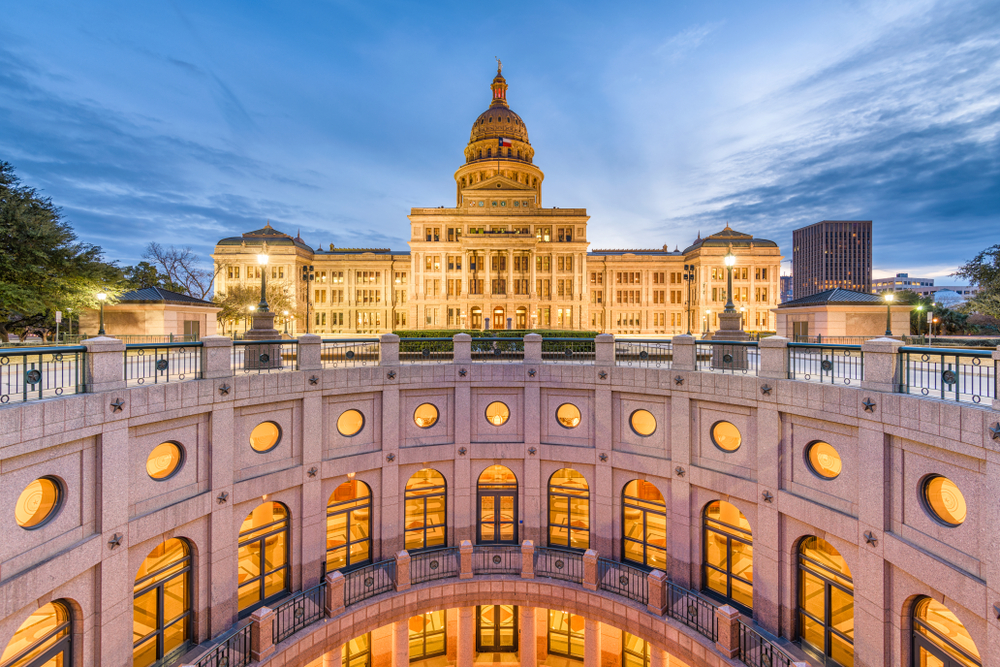
State Capitol: Construction of the current Texas State Capitol began in 1882 and was completed in 1888. The building was acclaimed for its design and became a symbol of the city’s importance to Texas.
Railroads: The arrival of the railroad in the 1870s and 1880s greatly boosted Austin’s economy, connecting it to major markets and spurring development.
Education: In 1881, Austin was chosen as the site for the University of Texas at Austin, which held its first classes in 1883. This decision was instrumental in shaping the city’s future as an educational center.
Population Growth: By the end of the 19th century, Austin’s population had grown significantly, and the city was developing a more sophisticated urban center with various businesses, religious institutions, and cultural amenities.
1900 to 1928: Progressivism and Prosperity
The Progressive Era
Early 1900s: The Progressive Era brought reforms in government and infrastructure. Austin modernized its public services, including the establishment of a public water system and improved public education.
Transportation: Austin continued to expand its transportation network with more miles of streetcar lines, which facilitated further expansion of the city limits and residential areas.
World War I and the 1920s
World War I (1914-1918): Austin contributed to the war effort, and the period after the war saw continued growth. The city, however, was not immune to the Spanish Flu pandemic of 1918, which brought significant hardship to the community.
The Roaring Twenties: The 1920s were a time of economic prosperity in the United States, and Austin was no exception. The city’s population continued to grow, and a building boom led to the construction of many homes and businesses.
Education and Culture: The University of Texas at Austin expanded during this period, with the addition of new buildings and programs. The city’s cultural life also flourished, with the opening of new theaters and the growth of the local arts scene.
Race Relations: Despite these advancements, Austin was not immune to the racial tensions common in the United States at the time. Segregation laws were in place, and the city’s African American and Mexican American communities faced significant discrimination.
Flood of 1921: One of the most significant events in this era was the great flood of 1921, which caused widespread damage and led to improvements in flood control measures.
During the late 19th and early 20th centuries, Austin transformed from a frontier settlement to a significant political and educational hub. The establishment of the Texas State Capitol and the University of Texas at Austin, coupled with improved transportation and infrastructure, set the stage for Austin’s future growth and development as a leading city in the Lone Star State.
History of Austin Before 1850
Before 1850, the area that would become Austin had a history that was both rich and complex, involving Native American inhabitants, Spanish colonization, Mexican sovereignty, and finally Texan and American settlement.
Native American Inhabitance
Before European settlers arrived, the region around present-day Austin was inhabited by Native American tribes such as the Tonkawa, Comanches, and Lipan Apaches. These groups lived primarily as hunter-gatherers, with some agriculture, and were known for their skill in tracking and hunting bison.
Spanish Exploration and Mission Period
16th to 18th Centuries: Spanish explorers first ventured into Texas in the 16th century. During the 18th century, the Spanish established missions in the region as part of their colonization efforts. These missions aimed to convert the indigenous population to Christianity and integrate them into the Spanish colonial system.
Mexican Independence and Early Settlements
1821: Mexico gained independence from Spain, and the region became a part of the Mexican state of Coahuila y Tejas. Mexican authorities encouraged settlement in the area through land grant policies.
Stephen F. Austin and Empresario Grants
1820s: Stephen F. Austin, known as the “Father of Texas,” was instrumental in bringing American settlers to the region through an agreement with the Mexican government. These settlers, known as the “Old Three Hundred,” began to establish communities in what was Mexican territory at the time.
Texas Revolution
1835-1836: Tensions between the American settlers and the Mexican government led to the Texas Revolution. The settlers, seeking independence, clashed with Mexican troops. The revolution culminated in the Battle of San Jacinto, where General Sam Houston’s Texan army defeated the Mexican forces, leading to the creation of the Republic of Texas.
Selection as the Capital
1837-1839: The newly formed Republic of Texas needed a capital. In 1837, Houston was the temporary capital. President Mirabeau B. Lamar, who succeeded Sam Houston, commissioned Edwin Waller to plan a new city in the central area of Texas. The site was chosen for its strategic location near the Colorado River and was named after Stephen F. Austin.
1839: The tiny settlement of Waterloo was chosen to be the new capital and was renamed Austin. The government of the Republic of Texas moved there in October 1839, marking the official founding of the city.
Early Growth and Development
1840s: The early years of Austin were marked by conflict with local Native American tribes and the threat of Mexican invasion. Despite these challenges, the city began to grow, with the construction of government buildings and the establishment of a community. In 1845, Texas was annexed by the United States and became the 28th state.
By 1850, Austin was emerging as an important center of government and trade, despite its frontier challenges. The city’s growth would continue in the second half of the 19th century, shaped by events such as the Civil War and Reconstruction, as well as the arrival of the railroad and the founding of the University of Texas.
Economy
Austin, the capital city of Texas, has emerged as a vibrant and dynamic economic hub. Known for its eclectic live-music scene, technology, innovation, and a growing population, Austin’s local economy is a unique blend of traditional Texan industries and modern entrepreneurial endeavors. In this overview, we will delve into the various aspects that make up the local economy of Austin, examining its strengths, challenges, and the sectors that contribute to its growth.
Transportation and Logistics in the Economy of Austin
Overview
Austin, the capital of Texas, has experienced significant economic growth over the past few decades, becoming a hub for technology, innovation, and creative industries. The city’s transportation and logistics sector is a vital component of its economic structure, facilitating the movement of goods and services, connecting businesses with markets, and providing critical infrastructure for the city’s ongoing development.
The Role of Transportation and Logistics
Transportation and logistics are essential for the economic vitality of any region, and Austin is no exception. Efficient transportation systems enable the swift movement of commodities, reduce operational costs, and contribute to the competitiveness of local businesses. Logistics services, including warehousing, distribution, and inventory management, ensure that goods are stored safely and delivered on time.
Economic Impact
In Austin, transportation and logistics not only support commerce but also create jobs, from truck drivers and warehouse staff to logistic managers and supply chain analysts. The sector also stimulates investment in infrastructure such as roads, railways, airports, and ports, which are crucial for the city’s connectivity.
Transportation Infrastructure
Highways and Roads
Austin’s strategic location along major highways such as Interstate 35 (I-35) and U.S. Highway 183 (US 183) is a significant advantage for freight movement. These highways connect the city with other major economic centers and facilitate regional trade.
Rail Networks
Rail services in Austin, primarily provided by Union Pacific and BNSF Railway, offer an alternative mode of transportation for goods. The rail network is essential for moving bulk commodities and connecting Austin to national and international markets.
Air Freight
Austin-Bergstrom International Airport (ABIA) is crucial in air freight and logistics. With its cargo facilities, the airport handles thousands of tons of cargo annually, providing critical support for industries that require rapid delivery times.
Public Transportation
Capital Metro, Austin’s public transportation system, provides bus and rail services, which are important for workforce mobility. Efficient public transit is vital for ensuring that all sectors of the economy have access to reliable transportation.
Logistics Services
Warehousing
Austin has seen growth in warehousing space as businesses expand their operations. State-of-the-art facilities offer storage and fulfillment services, which are integral to e-commerce and retail sectors.
Distribution Centers
Several large companies have established distribution centers in Austin, capitalizing on the city’s strategic location to serve the Southern and Southwestern markets. These centers are crucial nodes in the supply chain network.
Third-Party Logistics Providers (3PLs)
Austin’s economy benefits from a robust network of 3PLs that offer a range of services, including freight brokerage, transportation management, and logistics consulting. These firms allow businesses to outsource logistics operations, leading to increased efficiency.
Challenges and Opportunities
Traffic Congestion
As Austin grows, traffic congestion presents a challenge for transportation. It can lead to delays and increased operational costs. Addressing this issue through infrastructure improvements and smart city solutions is an ongoing priority.
Environmental Concerns
Sustainability in transportation and logistics is becoming increasingly important. Austin is exploring greener options, such as electric vehicles for freight and renewable energy sources for warehouses, to reduce the carbon footprint of the logistics sector.
Technological Advancements
The adoption of technology such as automation, artificial intelligence, and the Internet of Things (IoT) in logistics can streamline operations and improve efficiency. Austin’s tech-centric economy is well-positioned to integrate these innovations.
Workforce Development
The demand for skilled logistics professionals is rising. Austin’s educational institutions are responding with specialized training programs to equip the workforce with the necessary skills.
Conclusion
Austin’s transportation and logistics sector is a cornerstone of its economic success. The city’s strategic location, combined with its commitment to infrastructure development and technological innovation, positions it favorably for future growth. However, challenges such as traffic congestion and environmental impact need to be managed to ensure sustainable development. With thoughtful planning and investment, Austin’s transportation and logistics can continue to support and enhance the region’s vibrant economy.
Tourism in Austin
Overview
Austin, Texas, known for its vibrant cultural scene, live music, and picturesque Hill Country, has become an increasingly popular tourist destination. Its unique blend of Texan tradition and modern innovation attracts visitors from all over the globe, contributing significantly to the local economy.
The Significance of Tourism
Tourism is a substantial economic driver for Austin, generating revenue through hotel stays, restaurant visits, shopping, and entertainment. Tourist dollars help support local businesses, create jobs, and fund city services through taxes and fees associated with travel and leisure activities.
Economic Contributions
The influx of tourists to Austin translates to billions of dollars in economic impact annually. Major festivals, conventions, and sporting events are significant contributors, drawing both domestic and international visitors.
Attractions and Events
Live Music and Festivals
Austin, the “Live Music Capital of the World,” hosts numerous music venues and annual events such as South by Southwest (SXSW) and Austin City Limits (ACL), which have global recognition and attract thousands of attendees.
Cultural Attractions
The city’s cultural institutions, like the Blanton Museum of Art and the Bullock Texas State History Museum, offer rich educational experiences. Austin’s history is also showcased in landmarks such as the State Capitol and the Governor’s Mansion.
Outdoor Activities
Austin’s natural surroundings offer opportunities for outdoor activities like hiking in the Barton Creek Greenbelt, swimming in Barton Springs Pool, and boating on Lake Travis. The city’s parks and trails are popular among both locals and tourists.
Culinary Scene
Austin’s food scene, featuring everything from food trucks to fine dining, is a major draw. Barbecue and Tex-Mex are staples, while a growing international cuisine scene caters to diverse palates.
Conferences and Conventions
The Austin Convention Center and other venues host numerous conferences and conventions, drawing professionals from various industries. These events contribute to hotel occupancy rates and support service industries.
Tourism Infrastructure
Accommodations
Austin offers a wide range of accommodations, from luxury hotels to boutique inns and vacation rentals, catering to different budgets and preferences.
Transportation
Visitors can navigate the city via the Austin-Bergstrom International Airport, public transportation options like Capital Metro, rideshare services, and rental bikes or scooters.
Visitor Services
Tourist information centers and online resources help visitors plan their trips. Austin’s hospitality industry prides itself on friendly service and a welcoming atmosphere.
Challenges and Opportunities
Sustainable Tourism
As tourism grows, Austin faces the challenge of managing its impact on the environment and local communities. Sustainable tourism practices are being explored to balance economic benefits with conservation efforts.
Infrastructure Development
To accommodate increasing visitor numbers, Austin is investing in infrastructure improvements, including airport expansion, transportation upgrades, and development of new attractions.
Marketing and Branding
Austin continuously innovates its tourism marketing strategies to attract visitors year-round, capitalizing on its brand as a destination for music, culture, and outdoor recreation.
Economic Diversification
Tourism helps diversify Austin’s economy, making it less vulnerable to downturns in other sectors. The city’s tourism strategy focuses on attracting a wide range of visitors to maintain a resilient economic base.
Conclusion
Tourism is a vital part of Austin’s economy, contributing to its dynamism and growth. The city’s appeal as a destination for music, culture, food, and outdoor adventures positions it well within the competitive tourism market. However, managing the challenges of sustainable development and infrastructure needs will be essential for maintaining the quality of experience for visitors and residents alike. With strategic planning and investment, Austin’s tourism industry can continue to thrive and support the broader economic landscape.
Retail in Austin
Overview of the Retail Landscape
Austin’s retail sector is a dynamic and essential part of its economy, reflecting the city’s unique culture and rapid growth. The presence of both national chains and local boutiques provides a diverse shopping experience that caters to a wide range of consumers.
Economic Contributions
Retail sales contribute significantly to Austin’s tax revenue. The sector provides numerous jobs in sales, management, and support roles, from large shopping centers to individual entrepreneurs.
Key Retail Areas
- Downtown Austin: Features a mix of high-end stores, local boutiques, and a variety of restaurants and bars.
- The Domain: An upscale, mixed-use development with luxury retailers, apartments, and office space.
- South Congress Avenue (SoCo): Known for its funky stores, vintage shopping, and artisanal goods.
Trends and Challenges
- E-commerce: The rise of online shopping has impacted brick-and-mortar stores, with retailers adapting through omni-channel strategies.
- Rental Prices: As Austin grows, retail space becomes more expensive, which can be challenging for smaller, independent retailers.
- Consumer Preferences: Retailers must stay attuned to changing consumer preferences, such as the demand for local and sustainable products.
Manufacturing in Austin
Overview of the Manufacturing Sector
Manufacturing in Austin, though not as prominent as the city’s tech sector, remains a significant part of the economy. The sector has diversified from traditional manufacturing to include high-tech and advanced manufacturing.
Economic Contributions
Manufacturing jobs offer higher wages compared to other sectors and contribute to exports that boost Austin’s economy. The sector also stimulates investment in research and development.
Key Manufacturing Industries
- Technology: Austin is home to major tech companies’ manufacturing operations, including semiconductor and computer manufacturing.
- Food and Beverage: The city has a growing number of craft breweries and food manufacturing companies.
- Clean Energy: With a focus on sustainability, Austin has attracted manufacturers in solar energy and other clean technologies.
Trends and Challenges
- Skilled Labor Shortage: As manufacturing becomes more advanced, there is an increasing need for skilled workers.
- Global Competition: Manufacturers must compete on a global scale, which can be challenging for smaller, local operations.
- Supply Chain Resilience: Disruptions in the global supply chain can have significant impacts on manufacturing operations.
Interaction Between Retail and Manufacturing
The relationship between retail and manufacturing is symbiotic. Local manufacturers often rely on retail channels to sell their products, while retailers need a steady supply of goods. As Austin continues to grow, both sectors can benefit from the city’s economic development initiatives and focus on innovation.
Opportunities for Collaboration
- Local Sourcing: Retailers in Austin can source products from local manufacturers, supporting the local economy and reducing transportation costs.
- Customization: Manufacturers can work with retailers to provide customized products, leveraging Austin’s reputation for creativity and individuality.
Strategies for Growth
- Investment in Technology: Both sectors can invest in technology to improve efficiency and meet consumer demands.
- Workforce Development: Partnerships with educational institutions can help develop the skilled workforce needed in both sectors.
- Marketing the Austin Brand: Retailers and manufacturers can capitalize on the “Made in Austin” brand to appeal to consumers seeking authentic and local products.
Conclusion
Austin’s retail and manufacturing sectors are integral to its economic health, providing jobs, revenue, and a foundation for sustainable growth. While each faces unique challenges, their potential for innovation and collaboration positions them to adapt and thrive. By leveraging Austin’s entrepreneurial spirit, investment in a skilled workforce, and commitment to sustainability, both sectors can look forward to a prosperous future in this vibrant city.
Governance Structure
Local governance in Austin, Texas, is primarily conducted by the City of Austin’s government, which is responsible for providing services, enacting local policies, and managing the city’s resources and infrastructure. The governance structure is designed to ensure that the city operates efficiently and meets the needs of its residents.
Governance of Austin
Austin, the capital city of Texas, is known for its vibrant culture, music scene, and as a hub for technology and education. Situated in Travis County, with some parts extending into Hays and Williamson counties, Austin operates under a council-manager form of government, setting it apart from the more common mayor-council government structure found in many other U.S. cities. This document outlines the governance of Austin, covering its political framework, administrative structure, and the various departments that play a crucial role in the city’s operation.
Political Framework
City Council
At the heart of Austin’s governance is the City Council, which consists of a mayor and ten council members. The mayor is elected at large, while council members are elected from ten single-member districts. This system, known as “10-ONE,” was adopted in 2014, replacing the at-large system to ensure better representation of the city’s diverse population.
The council sets policy, enacts legislation, and adopts the city’s budget. Members serve staggered four-year terms, and there are no term limits. The mayor is considered the head of the city for ceremonial purposes but has the same legislative power as other council members.
The Mayor
The mayor of Austin holds a significant role in setting the agenda for the city and provides leadership in policy and governance. While the mayor has no veto power, they facilitate council meetings and work closely with the city manager to ensure that council decisions are implemented.
City Manager
The city manager is the chief administrative officer of Austin, appointed by the City Council to execute the laws and administer the government of the city. The city manager’s responsibilities include overseeing city departments, preparing the budget, and advising the City Council. The position requires a professional who is experienced in public administration and can effectively manage the day-to-day operations of a large and complex urban government.
Administrative Structure
Departments
The City of Austin has multiple departments that manage various aspects of the city’s operations and services. Some of the key departments include:
- Austin Transportation Department (ATD): Manages transportation services, infrastructure, and regulation.
- Austin Public Health (APH): Works to protect and improve the health of the community through prevention, education, and services.
- Austin Energy: The city-owned electric utility provides power to residents and manages energy conservation programs.
- Austin Water: Manages the city’s water supply, water treatment, and wastewater services.
- Parks and Recreation Department (PARD): Maintains and operates the city’s parks, recreational facilities, and preserves.
- Austin Resource Recovery: Handles solid waste collection, recycling, and disposal services.
Boards and Commissions
Supporting the City Council are various boards and commissions composed of city residents who volunteer their time. These bodies provide recommendations to the council on a wide range of topics, from planning and zoning to arts and music.
Budget and Finance
The City of Austin operates on a fiscal year beginning October 1. The city’s budget is a critical document that reflects the priorities set by the City Council. The budgeting process involves input from the community, city departments, the city manager, and the council. It includes funding for services, capital projects, and the city’s operational costs.
Public Engagement
Austin places a strong emphasis on public engagement and transparency. Residents are encouraged to participate in council meetings, serve on boards and commissions, and provide input on decisions that affect the community. The city also utilizes digital platforms and social media to disseminate information and gather feedback from citizens.
Planning and Development
The city’s planning and land development is overseen by the Planning and Zoning Department. This department is responsible for the city’s comprehensive plan, zoning regulations, and overseeing development to ensure it aligns with the city’s growth goals and community values.
Law Enforcement and Public Safety
The Austin Police Department (APD) is tasked with law enforcement and public safety. Alongside APD, the Austin Fire Department (AFD) and Austin-Travis County Emergency Medical Services (EMS) work to ensure the safety and well-being of Austin’s residents.
Challenges and Initiatives
Like any growing city, Austin faces challenges such as managing rapid growth, addressing affordability, and ensuring sustainable development. The city has launched various initiatives to tackle issues like traffic congestion, housing affordability, and climate change.
In conclusion, the governance of Austin reflects a complex and dynamic system that aims to balance the needs of a rapidly growing urban population with the desire to maintain the unique character that makes the city attractive. The council-manager form of government, the commitment to public engagement, and the dedication of city departments and staff all contribute to the effective governance of the city. As Austin continues to evolve, its governance structures and processes will need to adapt to meet the changing needs and aspirations of its residents.
Tribal Governance in Austin
Austin, Texas, does not have a federally recognized Native American reservation within its city limits, but it is historically linked to many tribes, such as the Tonkawa, Comanche, and Lipan Apache. Though there is no tribal governance operating within the city itself, tribal members living in Austin may fall under the jurisdiction of their respective nations for certain matters.
Federal Agencies in Austin
Federal agencies have a significant presence in Austin, contributing to a range of services and regulatory oversight. These agencies operate under the executive branch of the federal government and implement laws passed by Congress.
Key Federal Agencies in Austin
- Internal Revenue Service (IRS): The Austin branch is a major IRS processing center.
- Federal Bureau of Investigation (FBI): The FBI operates a field office in Austin, which handles federal criminal investigations and threats to national security.
- United States Postal Service (USPS): USPS manages postal services and facilities throughout Austin.
- Environmental Protection Agency (EPA): The EPA has a regional office that covers Texas, overseeing environmental protection efforts.
- Veterans Affairs (VA): The VA operates facilities in Austin, including clinics and benefits offices, serving the veteran population.
These are just a few examples of the numerous federal agencies that operate within the city, each with specific mandates that may include law enforcement, environmental regulation, tax collection, and more.
State Agencies in Austin
As the state capital, Austin is home to the headquarters of most of the state’s agencies. These agencies are responsible for administering state laws and programs throughout Texas.
Key State Agencies in Austin
- Texas Department of Transportation (TxDOT): Manages the state’s transportation system, including highways and public roadways.
- Texas Health and Human Services Commission (HHSC): Oversees health services, benefits programs, and social services for the state.
- Texas Education Agency (TEA): Regulates public education and oversees primary and secondary public schools.
- Texas Department of Public Safety (DPS): Enforces laws, regulates vehicles, and manages state emergency and disaster responses.
- Texas Parks and Wildlife Department (TPWD): Responsible for the conservation and management of the state’s natural resources and outdoor recreation.
Austin’s role as the state capital ensures that virtually every state agency has a significant presence in the city. These agencies are involved in statewide governance and policy-making, impacting various aspects of life in Austin and throughout Texas.
In summary, while Austin does not have a tribal governance structure within its city limits, it deeply respects the historical presence and cultural contributions of Native American tribes. Federal and state agencies are prominently established in Austin, given its status as a state capital, and play pivotal roles in the implementation and oversight of laws, regulations, and services that affect the city’s residents and businesses.
Location and Surroundings
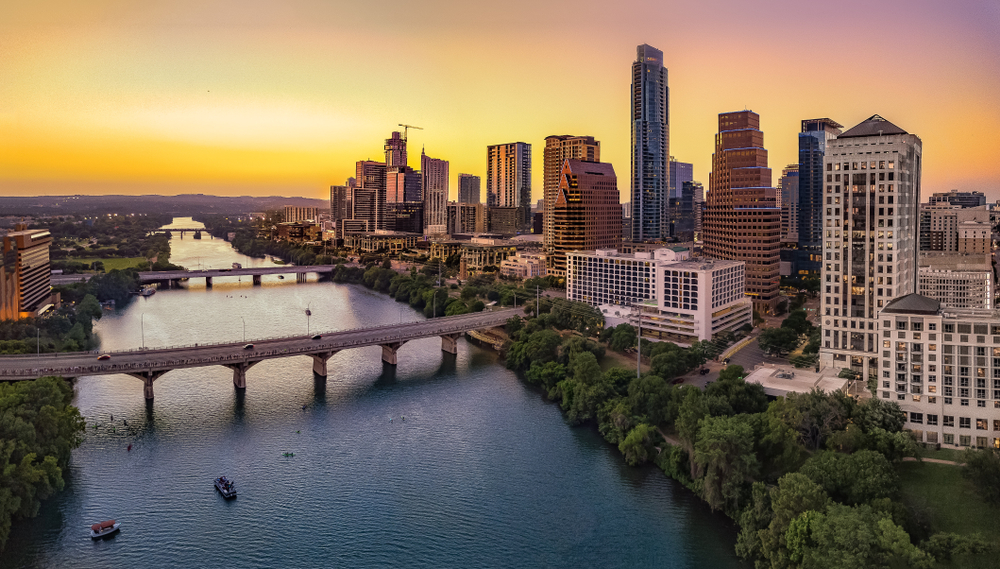
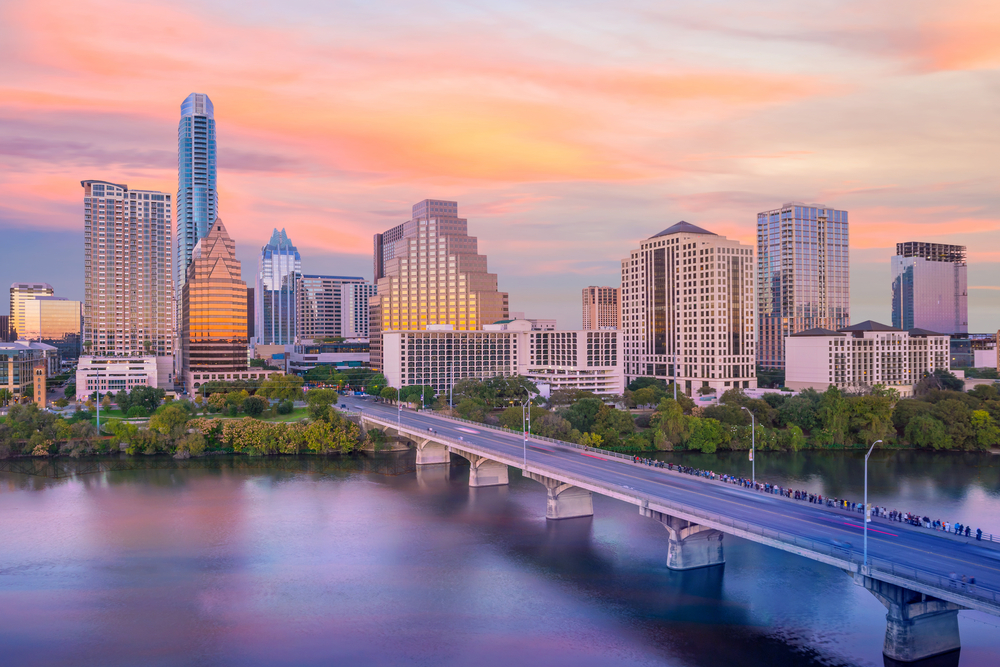
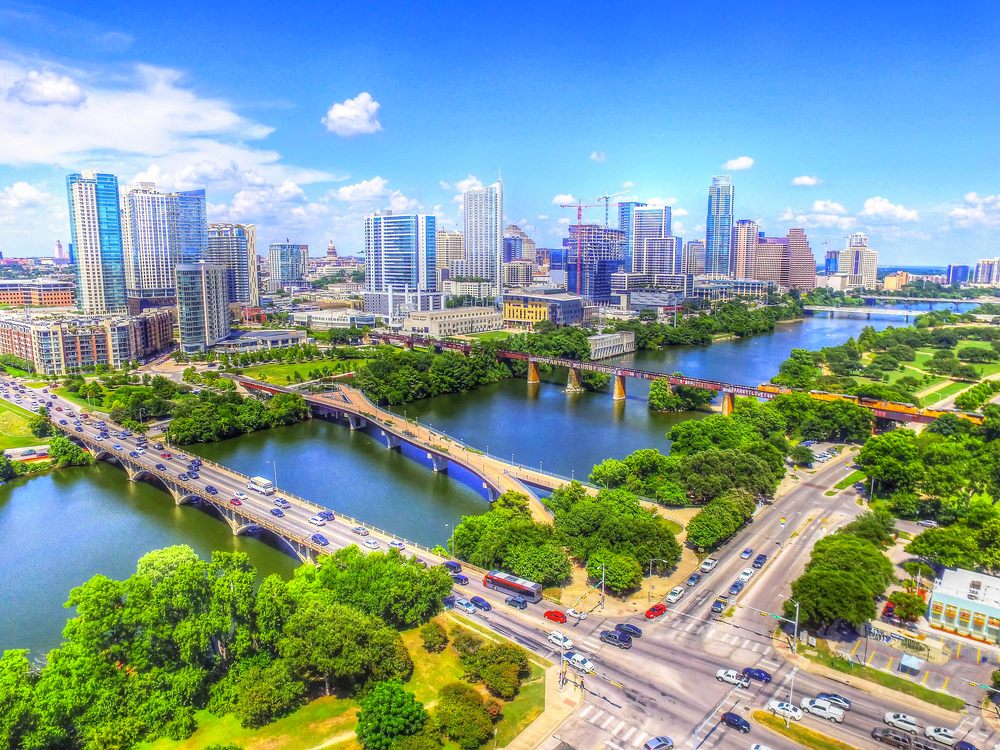
Austin, Texas, is located in the central part of the state, within the larger Texas Hill Country region. It serves as the state capital and stands out as a cultural and economic hub. The city is positioned along the Colorado River, with three artificial lakes within the city limits: Lady Bird Lake, Lake Austin, and Walter E. Long Lake.
Landscape of Austin, Texas
Austin is characterized by a diverse and engaging landscape that includes rolling hills, lush greenery, water bodies, and a blend of urban and natural environments. The geography and natural setting contribute significantly to the city’s identity and are a major factor in its popularity among residents and visitors.
Key Features of Austin’s Landscape
The Texas Hill Country
- Rolling Terrain: Austin is at the eastern edge of Texas Hill Country, known for its rolling hills and rocky terrain, which provide a scenic backdrop to the city.
- Karst Topography: The region is noted for its limestone geology, creating a landscape with caves, sinkholes, and springs.
Rivers and Lakes
- Colorado River: The Colorado River runs through the city and is dammed to form a series of lakes.
- Lady Bird Lake: A river-like reservoir on the Colorado River, Lady Bird Lake lies in the heart of downtown Austin. It’s a focal point for recreation and hosts the Ann and Roy Butler Hike-and-Bike Trail.
- Lake Austin: Another segment of the Colorado River, Lake Austin is a popular spot for boating, fishing, and waterside dining.
- Walter E. Long Lake: Located in the eastern part of the city, this lake offers fishing, boating, and picnic areas.
Green Spaces
- Zilker Park: This 350-acre park is one of Austin’s most loved green spaces, hosting recreational opportunities, botanical gardens, and the Barton Springs Pool.
- Barton Springs Pool: A natural spring-fed swimming pool that’s a popular year-round destination for locals and tourists.
Urban Environment
- Downtown Skyline: Austin’s skyline is ever-evolving, with a mix of modern high-rises and historic buildings.
- The University of Texas at Austin: The campus adds to the urban environment, with its notable architecture and green spaces.
Wildlife and Natural Areas
- Wildlife: The region supports diverse wildlife, including various bird species, deer, and smaller mammals.
- Nature Preserves: Austin has several nature preserves, such as the Wild Basin Wilderness Preserve and the Barton Creek Habitat Preserve, which protect native species and ecosystems.
Austin’s varied landscape offers a unique combination of urban life, natural beauty, and outdoor activities. The city’s commitment to maintaining parks, trails, and open spaces has preserved the natural elements that define the region while accommodating growth and development. This dedication to environmental stewardship makes Austin a city where nature and urbanity coexist harmoniously.
Climate of Austin, Texas
Austin experiences a humid subtropical climate, characterized by hot summers and mild to cool winters. Its weather patterns are influenced by its location on the edge of the Texas Hill Country and its proximity to the Gulf of Mexico.
Key Characteristics of Austin’s Climate
- Hot Summers: Summers are typically hot with high humidity. Temperatures can soar above 100°F (38°C), especially in July and August.
- Mild Winters: Winters are usually mild with occasional cold fronts. Snow is rare, and temperatures rarely drop below freezing.
- Spring and Fall: These seasons are generally pleasant, with moderate temperatures and a mix of sunny and rainy days.
- Rainfall: Austin receives moderate rainfall, with spring and fall being the wettest seasons. Flash flooding can occur due to the region’s heavy rain and the hilly terrain.
- Sunshine: The city enjoys ample sunshine year-round, contributing to its outdoor culture.
Unique Geographical Features of Austin
Austin’s landscape is marked by several unique geographical features that contribute to its natural beauty and outdoor recreational opportunities.
Key Geographical Features
- Balcones Fault Zone: Austin sits along this geological fault line, which is responsible for much of the area’s hilly terrain. The Balcones Fault also contributes to the formation of many of the springs and natural pools in the area.
- Edwards Plateau: The western part of Austin extends into the Edwards Plateau, characterized by limestone rock that is part of the region’s karst topography.
- Barton Springs Edwards Aquifer: This aquifer is one of the most productive in Texas and supplies water to Barton Springs, one of Austin’s natural swimming gems.
- Hamilton Pool Preserve: A natural pool created when the dome of an underground river collapsed due to erosion thousands of years ago.
- Mount Bonnell: A prominent point alongside Lake Austin, it offers panoramic views of the surrounding landscape and is a popular spot for sunset viewing.
- The Greenbelt: An extensive network of trails and green spaces along Barton Creek, offering a natural retreat within the city limits.
Austin’s climate and geographical features are integral to the city’s identity. They shape the outdoor lifestyle for which Austin is known and contribute to the city’s reputation as a place where natural beauty and urban life intersect seamlessly.
Real Estate
The real estate market in Austin has been dynamic, reflecting the city’s growth in popularity, economic development, and demographic changes. Austin’s attractiveness to tech companies, its vibrant culture, and its status as a major educational hub contribute to the demand for housing and commercial spaces.
Local Housing Market in Austin, Texas
Austin’s local housing market has been notably robust, often characterized by high demand and a competitive environment. Several factors contribute to the landscape of the residential real estate market in Austin.
Key Factors Influencing Austin’s Housing Market
- Tech Industry Growth: The influx of technology companies and startups, often referred to as “Silicon Hills,” has brought a steady stream of new residents with high-paying jobs, fueling demand for housing.
- Population Growth: Austin is one of the fastest-growing cities in the United States, and this rapid population increase has led to a surge in demand for housing.
- Limited Inventory: There has been a tight supply of available homes, which, coupled with high demand, has led to a seller’s market with increasing home prices.
- Rising Home Prices: The median home price in Austin has been on an upward trajectory, making affordability a concern for many residents.
- Rental Market: With homeownership out of reach for some, the rental market has also seen increased demand, leading to higher rents.
Housing Market Characteristics
- New Construction: To meet the demand, there has been significant new construction, including single-family homes, townhouses, and condominiums.
- Suburban Expansion: As the urban center becomes more expensive, surrounding suburbs have seen growth, offering more affordable housing options.
- Diverse Living Options: Austin provides a mix of housing options, from downtown high-rises and historic neighborhoods to modern suburban communities.
- Sustainability and Design: There’s a trend toward sustainable living and innovative design, with many new developments focusing on green building practices.
Market Challenges
- Affordability: Gentrification and rising property taxes pose challenges for long-time residents and lower-income families.
- Traffic Congestion: As the metropolitan area grows, traffic congestion has become a concern, impacting quality of life and commute times.
- Infrastructure Strain: The rapid growth has put pressure on infrastructure, including roads, schools, and public services.
Real Estate Services
- Real Estate Agents: A network of knowledgeable local real estate agents assist buyers and sellers in navigating the market.
- Online Platforms: Online real estate listings and platforms have become essential tools for those looking to buy, sell, or rent properties in Austin.
- Development Projects: There are ongoing residential development projects aimed at meeting the diverse needs of Austin’s growing population.
In conclusion, the local housing market in Austin is dynamic and reflects the city’s growth. It offers opportunities for investors and challenges for buyers, especially in terms of affordability and inventory. The market trends are subject to change, and potential buyers and sellers are advised to conduct thorough market research or consult with real estate professionals to understand the most current dynamics of Austin’s real estate market.
Mix of Housing Types in Austin, Texas
Austin’s real estate presents a diverse mix of housing options catering to a variety of lifestyles and preferences. The city’s eclectic culture and rapid development have led to a range of residential environments.
Types of Housing Available in Austin
- Single-Family Homes: These are prevalent in both central Austin and the suburbs, offering a range of styles from mid-century modern to contemporary new builds.
- Condominiums: Downtown and central Austin have seen a rise in condo developments, appealing to those seeking an urban lifestyle close to amenities and entertainment.
- Townhouses: Townhomes provide a middle-ground with less maintenance than single-family homes but more space than condos, and they are increasingly common in both urban and suburban settings.
- Apartments: The apartment market in Austin is expansive, with many luxury and mid-tier complexes, especially in areas with high job growth.
- Duplexes/Multi-Family Units: These are common in neighborhoods surrounding the university and downtown, providing options for students and families alike.
- Lofts: Industrial-style lofts can be found in redeveloped areas, attracting those looking for a unique urban living space.
Austin’s housing types continue to evolve with its growth, including innovative sustainable housing and mixed-use developments that combine residential with retail and office spaces.
Rental Costs in Austin, Texas
Rental costs in Austin vary significantly based on the location, housing type, and amenities offered. Here’s a general overview:
Rental Price Trends
- Downtown and Central Austin: These areas tend to have the highest rental costs due to proximity to the city center, entertainment, and employment opportunities. Luxury apartments and condos command premium prices.
- Suburban Areas: More affordable rental options can often be found in the suburbs, though prices have been rising due to increased demand.
- Student Housing: Areas around The University of Texas at Austin have a range of rental prices, with generally more affordable options aimed at students.
- New Developments: Brand new apartment complexes may offer competitive pricing and incentives to attract initial tenants.
Average Rental Costs
- Studio/1-Bedroom: The rent for a studio or one-bedroom apartment can range significantly but expect to pay anywhere from $1,200 to over $2,000, with luxury units or prime locations commanding higher prices.
- 2-Bedroom Units: Two-bedroom apartments or condos typically range from $1,800 to $3,000+, with price variations based on location and quality.
- Larger Units: Three-bedroom and larger units, including single-family homes, can start from around $2,500 and go up significantly, especially in high-demand areas or for homes with more land or amenities.
Please note that rental prices are subject to change due to market dynamics, and the figures provided are estimates based on the general trends leading up to 2023. For current rental prices, it is recommended to check real-time listings and get in touch with local real estate agents or property management companies.
Recreation
Austin is known for its vibrant and active lifestyle, with a wide array of recreational activities that cater to residents and visitors of all ages. The city’s parks, lakes, and cultural scene offer endless opportunities for leisure and entertainment.
Parks and Outdoor Recreation in Austin, Texas
Austin’s natural landscape and commitment to green spaces provide a wealth of parks and outdoor recreational activities that contribute to the city’s high quality of life.
Major Parks in Austin
- Zilker Metropolitan Park: Often referred to as “Austin’s most-loved park,” this 351-acre park is home to a variety of recreational opportunities, including the Zilker Botanical Garden, Barton Springs Pool, Umlauf Sculpture Garden, and the Austin Nature and Science Center. It also hosts major events like the ACL Music Festival.
- Barton Creek Greenbelt: Known simply as “The Greenbelt,” this 12.68-mile stretch of public land offers hiking and biking trails, rock climbing, swimming, and bouldering.
- McKinney Falls State Park: Located in the southeastern part of Austin, this state park features waterfalls, hiking trails, camping sites, and fishing spots.
- Lady Bird Lake: Surrounded by the Ann and Roy Butler Hike-and-Bike Trail, this central water feature is popular for kayaking, stand-up paddleboarding, and rowing.
Recreational Activities
- Water Recreation: The lakes and rivers around Austin are perfect for water activities like swimming, boating, fishing, and water skiing.
- Hiking and Biking: There are hundreds of miles of trails in and around Austin for all levels of hikers and bikers.
- Rock Climbing: With its limestone cliffs, the Austin area offers several spots for rock climbing enthusiasts, including indoor climbing gyms.
- Golfing: Austin has numerous public and private golf courses set against scenic Hill Country backdrops.
- Team Sports and Athletics: Facilities for soccer, baseball, basketball, and other sports are available throughout the city’s parks and recreation centers.
- Nature Watching: The diverse ecosystems provide habitats for a variety of wildlife, making bird watching and nature photography popular activities.
Special Outdoor Features
- Mount Bonnell: Offering panoramic views of the city and Lake Austin, it’s a perfect spot for picnics and sunset watching.
- Hamilton Pool Preserve: A natural pool and grotto formed by thousands of years of water erosion, it’s a picturesque swimming spot, though reservations are often required.
- Wildflower Center: Founded by Lady Bird Johnson, this botanical garden is dedicated to preserving and showcasing the native plants of Texas.
Community Events and Programs
- Fitness in the Park: The city often hosts free fitness classes and wellness events in various parks.
- Cultural Festivals: Austin’s parks serve as venues for cultural festivals, music concerts, and food fairs, reflecting the city’s diverse community.
With a climate that encourages year-round outdoor activities and a city that places a high value on parkland, Austin’s parks and outdoor recreation are central to the city’s lifestyle, offering residents and visitors a wide range of options for enjoying the outdoors and staying active.
Museums and Historical Sites in Austin, Texas
Austin is rich in history and culture, with an array of museums and historical sites that offer educational and enlightening experiences for all ages.
Museums
- The Bullock Texas State History Museum: This museum tells the story of Texas history from early settlement to the present day with three floors of interactive exhibits, a large-screen theater, and an IMAX Theatre.
- Blanton Museum of Art: Part of The University of Texas at Austin, it is one of the largest university art museums in the U.S., with a comprehensive collection of European, American, and Latin American art.
- The Contemporary Austin: This museum exhibits contemporary works of art by local and international artists across two locations: the Jones Center in downtown Austin and the Laguna Gloria, a historic site on the shores of Lake Austin.
- Texas Memorial Museum: Located on the University of Texas campus, this museum focuses on natural history, including paleontology and biology, and features the state’s most extensive collection of dinosaur displays.
Historical Sites
- The Texas State Capitol: An iconic landmark, the Capitol offers tours and has grounds that feature monuments and historical markers.
- Lyndon Baines Johnson Library and Museum: This presidential library houses documents and artifacts related to the presidency of Lyndon B. Johnson, including a replica of the Oval Office.
- French Legation Museum: The oldest existing frame structure in Austin, it was originally built as a diplomatic outpost for the French government in 1841 and now serves as a museum.
- The Driskill: Opened in 1886, this historic hotel in downtown Austin offers a glimpse into the city’s Victorian past and is rumored to be haunted.
Theaters and Arts in Austin, Texas
Austin’s arts scene is as dynamic and eclectic as the city itself, with a variety of theaters and performance venues that host everything from Broadway plays to independent productions.
Theaters
- The Paramount Theatre: A historic live theater venue that hosts stand-up comedy, concerts, and film premieres, as well as classic movie screenings.
- Zach Theatre: The oldest continuously operating theatre in Texas, it offers a mix of plays, musicals, and original works.
- Long Center for the Performing Arts: This is a modern venue that hosts the Austin Symphony Orchestra, Ballet Austin, and Austin Opera, among other performances.
- Bass Concert Hall: The largest theater in Austin, located on the University of Texas campus, it features touring Broadway shows, music concerts, and comedy events.
Arts
- Art Galleries: Austin is home to numerous art galleries showcasing the work of local, national, and international artists in a variety of mediums.
- Art on 5th: Known for its extensive collection of Dr. Seuss art, as well as works by other contemporary artists.
- East Austin Studio Tour (EAST): An annual event where local artists open their studios to the public.
- Public Art: The city has an active public art program, which has placed art in various forms across the city, including murals that have become part of Austin’s cultural identity.
Austin’s commitment to preserving its history and fostering its arts scene is evident through its various museums, historical sites, and artistic venues, making it a captivating destination for history buffs and art enthusiasts alike. Whether you’re looking to explore Texas history or experience the latest in theater and art, Austin has a wealth of options to offer.
Sports Facilities in Austin, Texas
Austin offers a variety of sports facilities catering to both professional athletes and recreational enthusiasts. These facilities support a range of activities from casual participation to competitive sports events.
Major Sports Facilities
- Darrell K Royal–Texas Memorial Stadium: Home to the University of Texas Longhorns football team, this stadium is one of the largest in the United States.
- Frank Erwin Center: Before its scheduled closure and replacement with the Moody Center, the Frank Erwin Center served as a venue for basketball games and other sports events.
- UFCU Disch–Falk Field: The field is the home base for the University of Texas Longhorns baseball team.
- Mike A. Myers Stadium: A premier track and field facility which also hosts soccer matches.
- Circuit of The Americas (COTA): While primarily known as a Formula 1 racetrack, COTA also includes facilities for other motor sports, concerts, and events.
Community and Recreational Sports Facilities
- Austin Parks and Recreation Department: Offers numerous public sports facilities, including basketball and tennis courts, baseball and softball fields, soccer fields, and swimming pools.
- Austin Recreation Center: Provides locals with various sports facilities, fitness classes, and recreational leagues.
- YMCA of Austin: Multiple locations across the city offer gyms, swimming pools, and community sports leagues.
Events and Festivals in Austin, Texas
Austin is well-known for its vibrant events and festivals, attracting visitors from all over the world. The city’s lively cultural scene ensures that there are events catering to a wide range of interests throughout the year.
Notable Annual Events and Festivals
- South by Southwest (SXSW): A series of film, interactive media, and music festivals and conferences that take place in mid-March.
- Austin City Limits Music Festival (ACL): A major annual music festival held in Zilker Park over two consecutive three-day weekends.
- Formula 1 United States Grand Prix: Held at the Circuit of The Americas, this event brings together racing enthusiasts from around the globe.
- Texas Book Festival: An annual literary event featuring authors, readings, and book signings.
- Austin Film Festival: Celebrates the art of filmmaking and includes screenings, premieres, and workshops.
- Pecan Street Festival: A free two-day arts festival held twice annually in downtown Austin’s Sixth Street Historic District.
- Rodeo Austin: A traditional rodeo and stock show with live music, competitions, and a fair.
Seasonal and Cultural Events
- Trail of Lights: A holiday event that transforms Zilker Park into a wonderland of festive lights and displays.
- Austin Pride: The city’s annual LGBTQ+ parade and festival, which promotes pride and visibility in the community.
- Day of the Dead: Celebrations throughout the city, including processions, altars, and cultural performances to honor the memory of the deceased.
Whether you’re a sports fan looking for world-class facilities or an enthusiast seeking out cultural experiences, Austin’s diverse array of sports facilities and its packed calendar of events and festivals offer something for everyone.
Transportation
As a rapidly growing metropolitan area, Austin offers various transportation options for residents and visitors to navigate the city and surrounding areas. Here’s an overview of the main modes of transportation available:
Highways in Austin, Texas
Austin is served by several major highways that facilitate regional and local travel. The city’s road network is designed to accommodate the large number of commuters and travelers who use personal vehicles to get around.
Major Highways
- Interstate 35 (I-35): This is the primary north-south artery through the city, connecting Austin to San Antonio to the south and Dallas to the north.
- U.S. Highway 183 (US 183): Running concurrently with I-35 in some parts of Austin, it serves as an alternative route and provides access to the Austin-Bergstrom International Airport.
- U.S. Highway 290 (US 290): This highway runs east-west and is a key route for those traveling between Austin and Houston.
- State Highway 1 (SH 1), also known as MoPac Expressway or Loop 1: Named after the Missouri-Pacific Railroad, MoPac runs parallel to I-35 and is a major north-south route on the west side of the city.
- State Highway 130 (SH 130): This toll road offers a bypass around Austin for I-35 traffic, and features the highest speed limit in the United States at 85 mph on certain stretches.
The highways in Austin are known for congestion, especially during rush hours, prompting many to seek alternative routes or modes of transportation.
Public Transit in Austin, Texas
The public transit in Austin is managed by the Capital Metropolitan Transportation Authority, commonly known as Capital Metro. The system includes buses and a commuter rail line designed to help residents and visitors get around the city without a personal vehicle.
Capital Metro Services
- MetroBus: The bus service includes local, flyer, and express routes that connect all parts of the city.
- MetroRapid: A bus rapid transit (BRT) service that offers frequent and speedy travel along Austin’s busiest corridors.
- MetroRail: The Red Line is a 32-mile commuter rail line that connects downtown Austin with the northwestern suburbs.
- MetroBike: In partnership with the city’s bike-share program, Capital Metro offers convenient bike rentals for last-mile connectivity.
- MetroAccess: Paratransit services for people with disabilities who are unable to use the regular bus and rail service.
Capital Metro also provides park-and-ride services at various locations, allowing commuters to park their cars and use public transit to reach their final destination. Additionally, the agency is constantly working on improving and expanding services, including plans for more rail lines and enhanced transit solutions as part of Project Connect, a long-term plan to revamp Austin’s public transportation network.
For those who prefer not to drive, or for those looking to avoid parking hassles and congestion in the city center, Austin’s public transit offers a viable alternative, though it is still evolving to meet the demands of the growing city.
Bike Paths in Austin, Texas
Austin is known for being a bike-friendly city, with an extensive network of bike paths that accommodate cyclists for both commuting and recreational purposes. The city has been working to improve and expand its bike infrastructure to encourage more residents and visitors to cycle.
Key Features of Austin’s Bike Network
- Dedicated Bike Lanes: Many streets in Austin have dedicated bike lanes that are reserved for cyclists, helping to ensure safer travel away from vehicular traffic.
- Shared-Use Paths: These paths are open to both cyclists and pedestrians and can be found throughout the city, including the Ann and Roy Butler Hike-and-Bike Trail around Lady Bird Lake.
- Bike Boulevards: Residential streets with low motorized traffic volumes and speeds, designed to give priority to bicyclists and pedestrians.
- Protected Bike Lanes (Cycle Tracks): These lanes are physically separated from vehicular traffic by barriers or parked cars, providing an extra level of safety for cyclists.
- Bike Share Program: Austin’s bike share program, known as MetroBike, offers residents and visitors an easy and convenient way to rent a bike from one of the many docking stations throughout the city.
The City of Austin provides maps of bike routes that can be accessed online or picked up in print at bike shops and other locations. These maps are helpful for both new and experienced cyclists navigating the city’s bike network.
Airports in Austin, Texas
Austin is served primarily by one major commercial airport and several smaller airports that handle private, corporate, and general aviation.
Austin-Bergstrom International Airport (ABIA)
- Location: Situated approximately 8 miles southeast of Downtown Austin, ABIA is the city’s main airport, providing both domestic and international flights.
- Facilities: The airport has multiple terminals, including the Barbara Jordan Terminal and the South Terminal. It offers a range of services and amenities, such as restaurants, shops, lounges, and rental car services.
- Airlines: ABIA hosts numerous airlines that connect Austin with major cities across the United States and international destinations.
General Aviation and Private Airports
- Austin Executive Airport: Located northeast of downtown, this airport caters to corporate and private aviation.
- Lakeway Airpark: A private airport located in the city of Lakeway, west of Austin, serving the general aviation community.
- Bud Dryden Airport: Another general aviation airport, located northwest of Austin’s central business district.
The presence of Austin-Bergstrom International Airport facilitates easy access to and from the city for travelers, while the smaller airports serve the needs of private and business aviation. As Austin continues to grow, these facilities play a crucial role in the city’s connectivity and economic development.
Train Stations in Austin, Texas
Austin’s train services, primarily for commuter and intercity travel, operate out of a few key train stations:
MetroRail Stations
Capital Metro operates the MetroRail service, which features several stations including:
- Downtown Station: Located at 4th and Neches, it’s the central hub for the MetroRail Red Line in Austin, connecting the downtown area with the northern suburbs.
- Plaza Saltillo Station: Situated east of downtown, serving the surrounding residential and commercial areas.
- MLK Jr. Station: Located near the University of Texas and serves students and commuters in the area.
- Howard Station: Positioned in the northern part of Austin, serving as a park and ride location.
- Lakeline Station: Another park and ride location at the northern end of the Red Line.
These are just a few examples of the MetroRail stations that serve as part of the commuter rail line in the Austin area.
Amtrak Station
- Austin Station: This station is located at 250 North Lamar Blvd. It serves the Texas Eagle line, which runs daily between Chicago and San Antonio, with connecting service to Los Angeles three times a week.
The Amtrak station offers basic amenities such as waiting areas, restrooms, and ticket purchasing services. It’s a key connection point for those looking to travel by train to and from other cities in Texas and beyond.
Bus Stations in Austin, Texas
Austin has several bus stations and terminals that serve as hubs for local and intercity bus travel.
Local Bus Stations
- Downtown Station: This is not only a train station but also a central hub for many of Capital Metro’s bus routes.
- North Lamar Transit Center: A major bus station in North Austin that serves as a transfer point for multiple bus routes.
- South Congress Transit Center: A bus station located in South Austin, facilitating connections between different bus lines.
These transit centers often provide covered waiting areas, seating, ticket vending machines, and real-time bus tracking information.
Intercity Bus Stations
- Greyhound: The Greyhound bus terminal is located at 916 East Koenig Lane. It is the primary station for Greyhound’s intercity bus services, connecting Austin with cities across Texas and the rest of the United States.
- Megabus: Megabus does not have a traditional bus station but typically uses designated stops around the city where passengers can board and disembark. One of the common locations is at the University of Texas, near the Perry-Castañeda Library.
Intercity bus services offer an affordable travel option for reaching destinations outside of Austin without the need for personal transportation. These stations and stops are strategically located to provide accessibility and convenience for travelers.
Visiting
Austin is a vibrant city known for its live music scene, delicious food, and outdoor activities. If you’re planning to visit, here are some key points and tips to help you make the most of your trip:
When to Visit Austin, Texas
Best Times to Visit
- Spring (March to May): This is one of the best times to visit Austin as the weather is pleasant, with average temperatures ranging from the mid-50s to the 80s Fahrenheit. Spring brings numerous events, including the famous South by Southwest (SXSW) festival in March and the Austin City Limits Music Festival in April.
- Fall (September to November): Another great time to visit, with similar weather to spring. The fall season features events like the Austin City Limits Music Festival in October and the Formula 1 United States Grand Prix at the Circuit of the Americas.
- Avoiding Peak Heat: Austin’s summers can be very hot, with temperatures often exceeding 100 degrees Fahrenheit. If you’re not a fan of the heat, you may want to avoid visiting in July and August.
Seasonal Considerations
- Summer (June to August): Despite the heat, summer is a popular time for visitors, especially those looking to enjoy the city’s many outdoor activities, like swimming in Barton Springs Pool.
- Winter (December to February): Winters are mild, with occasional cold fronts. It’s a quieter season, which can be ideal for visitors looking to avoid crowds.
Getting There
By Air
- Austin-Bergstrom International Airport (ABIA): The most common way to get to Austin for long-distance travelers. The airport is well-connected with major cities across the U.S. and has some international flights.
By Car
- From the North or South: Interstate 35 is the main route that runs through Austin and connects it to cities like San Antonio (south) and Dallas (north).
- From the East or West: U.S. Highway 290 and Interstate 10 are the main routes connecting Austin to Houston (east) and El Paso (west).
By Bus
- Greyhound: Offers services to Austin from various cities across the country.
- Megabus: Provides a low-cost service to Austin from many major cities, usually with a stop near the University of Texas campus.
By Train
- Amtrak: The Texas Eagle line serves Austin with connections to cities such as San Antonio, Dallas, and Chicago.
Within Texas
- Driving: If you’re already in Texas, driving to Austin can be a good option, as it allows you to explore the surrounding hill country and other attractions at your own pace.
- In-State Flights: For those coming from farther away within Texas (like El Paso or the Rio Grande Valley), in-state flights to ABIA can save a lot of travel time.
Regardless of how you choose to get to Austin, it’s advisable to book your transportation and accommodations in advance, especially if you’re planning to visit during a major festival or event when the city sees an influx of visitors.
Attractions in Austin, Texas
Austin is known for its vibrant culture, music, and outdoor spaces. Here are some must-see attractions:
Cultural and Historical Attractions
- Texas State Capitol: The stunning Capitol building offers free tours and is open to the public.
- Bob Bullock Texas State History Museum: Learn about Texas history with three floors of interactive exhibits.
- Blanton Museum of Art: A part of the University of Texas, featuring a comprehensive collection of art.
Music and Entertainment
- 6th Street: Often referred to as the live music capital of the world, this is the heart of Austin’s nightlife, brimming with bars, restaurants, and live music venues.
- Zilker Metropolitan Park: Home to many music festivals, including the famous Austin City Limits Music Festival.
Outdoor Activities
- Barton Springs Pool: A spring-fed pool with year-round average temperatures of 68-70 degrees Fahrenheit.
- Lady Bird Lake: Offers hiking, biking trails, and water activities like kayaking and paddleboarding.
- Mount Bonnell: Offers panoramic views of the city and the surrounding hills.
Family-Friendly Attractions
- Austin Zoo: A rescue zoo that provides sanctuary to displaced animals.
- Thinkery: An interactive children’s museum focused on science and creativity.
Accommodations in Austin, Texas
Austin offers a wide range of accommodations to suit various preferences and budgets:
Downtown Hotels
- Luxury: The Four Seasons, The Driskill, and the JW Marriott offer upscale experiences with central locations.
- Mid-Range: The Aloft, the Hilton Garden Inn, and the Hyatt Place are comfortable and conveniently located for exploring the city.
Boutique Hotels
- Hotel San José and Hotel Saint Cecilia in South Congress are trendy options with unique Austin character.
- The East Austin Hotel: Located in one of Austin’s hippest neighborhoods, offering a local experience.
Budget-Friendly
- Hostels: Hostels like HI Austin and Firehouse Hostel provide affordable, social accommodations.
- Motels: There are various well-known chain motels around the city that offer basic amenities at lower costs.
Vacation Rentals
- Airbnb and VRBO: These platforms offer a variety of rental options, from apartments to houses, giving a more local living experience.
Bed and Breakfast
- Austin’s Inn at Pearl Street: A quaint bed and breakfast option for a more personal stay.
Outside Downtown
- The Domain: An area north of downtown that offers shopping, dining, and lodging options like the Westin Austin at The Domain.
- South Congress (SoCo): Known for its shopping, dining, and music, with several boutique hotels and motels.
When planning where to stay, consider the purpose of your visit. If you’re here for the music and nightlife, staying downtown or near South Congress might be best. If you’re attending a conference or event, staying close to the venue could be more convenient. Always book in advance, especially during major events when accommodations fill up quickly.
Dining in Austin, Texas
Austin is a foodie city with a wide array of dining options to suit every palate and budget. Here are some of the dining experiences you can enjoy:
Barbecue
- Franklin Barbecue: Often regarded as serving some of the best BBQ in Austin, if not the country. Expect long lines, but many say it’s worth the wait.
- Micklethwait Craft Meats: A food truck offering smoked meats and inventive sides.
- Salt Lick BBQ: Located just outside Austin in Driftwood, TX; it’s a BYOB establishment with family-style dining.
Tex-Mex and Mexican
- Torchy’s Tacos: A popular chain known for its creative tacos.
- Matt’s El Rancho: A classic spot for Tex-Mex with a spacious patio.
- La Condesa: Offers modern Mexican cuisine and an extensive tequila and mezcal selection.
Food Trucks
- East Side King: Asian fusion cuisine created by Chef Paul Qui.
- Veracruz All Natural: Renowned for their authentic Mexican tacos and smoothies.
- Gourdough’s: Specializes in big, fat donuts with over-the-top toppings and fillings.
Fine Dining
- Uchi: A contemporary take on Japanese cuisine and sushi.
- Jeffrey’s: An upscale American French restaurant with a cozy, neighborhood feel.
- Olamaie: Southern food with a modern twist, known for its biscuits.
Vegetarian and Vegan
- Mother’s Cafe & Garden: A long-standing vegetarian and vegan-friendly restaurant.
- Counter Culture: Offers made-from-scratch vegan comfort food.
- The Beer Plant: A gastropub that is 100% plant-based.
Breakfast and Brunch
- Kerbey Lane Cafe: A classic Austin eatery with a great breakfast menu, open 24 hours.
- South Congress Café: Known for brunch items like carrot cake French toast and migas.
When dining in Austin, it’s always a good idea to check for hours of operation and whether reservations are required, especially for popular spots.
Shopping in Austin, Texas
Austin offers a variety of shopping experiences from vintage finds to luxury goods.
Boutiques and Specialty Shops
- South Congress Avenue (SoCo): This area is lined with boutiques selling everything from boots to art.
- The 2nd Street District: Features a range of shops selling clothing, home goods, and gifts.
Malls and Shopping Centers
- The Domain: An upscale shopping and residential center with over 100 stores and dining options.
- Barton Creek Square: A large mall with over 180 specialty shops and anchor stores like Nordstrom and Macy’s.
Vintage and Thrift Stores
- Uncommon Objects: An antique and vintage store with an eclectic mix of items.
- Buffalo Exchange: A consignment store where you can find used clothing and accessories.
Local Markets and Fairs
- Austin City Wide Garage Sale: A massive flea market where you can hunt for treasures.
- Texas Farmers’ Market at Mueller: Offers fresh produce and goods from local farmers and artisans.
Bookstores and Music Shops
- BookPeople: An independent bookstore with a wide selection of titles and frequent author events.
- Waterloo Records: A legendary Austin music store that sells vinyl, CDs, and more.
When shopping in Austin, it’s not just about the items you buy but the unique and often quirky shopping experiences the city offers. Many local businesses are proud to operate under the “Keep Austin Weird” motto, ensuring that shoppers can find something unique and authentically Austin.
Events in Austin, Texas
Austin hosts a variety of events throughout the year that cater to a broad spectrum of interests. Here’s a sample of what the city has to offer:
Music and Film Festivals
- South by Southwest (SXSW): An annual conglomerate of film, interactive media, and music festivals and conferences that take place in mid-March.
- Austin City Limits Music Festival (ACL): A world-famous music festival that spans two weekends in October, showcasing a wide array of music from rock to hip-hop to country.
Cultural Festivals
- Pecan Street Festival: A free, bi-annual arts and crafts festival held on Sixth Street, featuring hundreds of local and national artisans.
- Texas Book Festival: Typically held in late October, this festival celebrates authors and readers with book signings, panel discussions, and literary events.
Food and Drink Events
- Austin Food + Wine Festival: Celebrate Austin’s gourmet scene with this festival that features top chefs, sommeliers, and winemakers.
- Hot Sauce Festival: If you’re into spicy food, check out this late-summer festival that benefits the Central Texas Food Bank.
Sporting Events
- Formula 1 United States Grand Prix: Held at the Circuit of the Americas, this is a premier event for racing enthusiasts, typically in October.
- Austin Marathon: Takes place in February and includes a marathon, half marathon, and 5K through the city’s streets.
Holiday and Seasonal Events
- Trail of Lights: A holiday tradition in December, Zilker Park is transformed into a wonderland of festive lights.
- Bat Fest: Celebrate Austin’s famous Congress Avenue Bridge bats with live music, food, and bat-watching in August.
This is just a snapshot of Austin’s events calendar. It’s always a good idea to check the city’s event schedule when planning your visit as there are numerous other events and festivals throughout the year.
Outdoor Activities in Austin, Texas
Austin’s natural beauty and warm climate offer plenty of opportunities for outdoor enthusiasts:
Water Activities
- Kayaking and Paddleboarding on Lady Bird Lake: Rent a kayak or a stand-up paddleboard and enjoy the city skyline from the water.
- Boating on Lake Travis: Rent a boat or join a party barge on this popular lake just outside of Austin.
Hiking and Biking
- Barton Creek Greenbelt: Offers miles of trails for hiking and mountain biking amidst lush scenery and swimming holes.
- Ann and Roy Butler Hike-and-Bike Trail: A 10-mile trail that loops around Lady Bird Lake, offering great views and exercise.
Nature and Wildlife
- Hamilton Pool Preserve: A natural pool created when the dome of an underground river collapsed due to erosion thousands of years ago. Reservations are often required.
- Congress Avenue Bridge Bats: Watch the largest urban bat colony in North America take flight at dusk from late spring to early fall.
Parks and Gardens
- Zilker Metropolitan Park: A 351-acre park that’s ideal for picnics, train rides, and simply enjoying the outdoors.
- Lady Bird Johnson Wildflower Center: Explore native plant gardens and learn about Texas’s natural landscapes.
Rock Climbing
- Barton Creek Greenbelt: Offers numerous limestone cliffs for climbers of all levels.
- Reimers Ranch Park: Just outside Austin, this park is known for its climbing opportunities along the Pedernales River.
Outdoor activities can vary seasonally, and it’s always best to check local conditions and any necessary reservations, especially for popular spots like Hamilton Pool Preserve. Whether you’re looking to relax or seeking adventure, Austin’s outdoor offerings provide a refreshing counterbalance to its bustling urban life.